Simple Daily Habits for Better Breast Health and Cancer Prevention
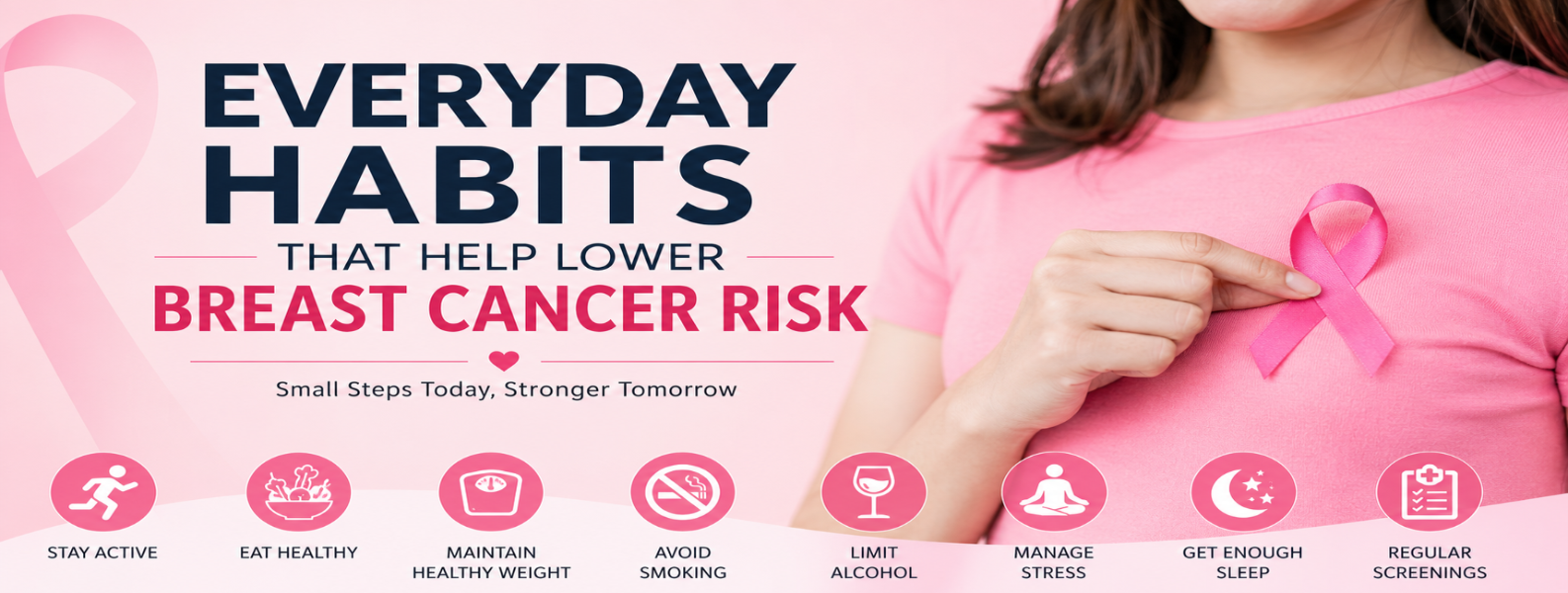
Everyday Habits That Help Lower Breast Cancer Risk
Breast cancer is one of the most common cancers affecting women worldwide. Although there is no guaranteed way to prevent breast cancer, adopting healthy lifestyle habits can help reduce your risk. From maintaining a healthy weight to staying physically active, small daily choices can have a significant impact on your long-term health.
If you have concerns about your breast health or a family history of cancer, consulting a qualified
breast cancer specialist or
oncologist in Mumbai can help you understand your risk factors and develop an appropriate screening plan.
Maintain a Healthy Weight
Research shows that being overweight, particularly after menopause, may increase the risk of breast cancer. Excess body fat can lead to higher levels of estrogen and inflammation, both of which may contribute to cancer development.
To maintain a healthy weight:
- Eat a balanced diet rich in fruits and vegetables.
- Reduce consumption of processed foods and sugary drinks.
- Exercise regularly.
- Monitor your weight and body mass index (BMI).
Stay Physically Active
Regular exercise is one of the most effective ways to lower breast cancer risk. Physical activity helps regulate hormones, supports immune function, and aids weight management.
Experts recommend at least 150 minutes of moderate-intensity exercise per week. Activities such as walking, jogging, swimming, yoga, and cycling can all contribute to better overall health.
Women seeking personalized guidance on cancer prevention can discuss lifestyle modifications with a breast cancer doctor during routine health consultations.
Follow a Nutrient-Rich Diet
A healthy diet plays an important role in cancer prevention. Consuming foods rich in antioxidants, vitamins, minerals, and fiber may help protect cells from damage.
Include:
- Leafy green vegetables
- Fresh fruits
- Whole grains
- Nuts and seeds
- Legumes
- Omega-3-rich fish
Limit:
- Processed meats
- Refined sugars
- Highly processed snacks
- Excessive saturated fats
A balanced diet not only supports breast health but also improves overall wellness.
Limit Alcohol Consumption
Alcohol consumption has been linked to an increased risk of breast cancer. The risk rises with the amount of alcohol consumed over time.
Reducing alcohol intake or avoiding it altogether is a positive step toward breast cancer prevention.
Avoid Smoking
Smoking introduces harmful chemicals into the body that can damage DNA and increase the risk of various cancers, including breast cancer.
Quitting smoking offers numerous health benefits, including improved cardiovascular health, lung function, and reduced cancer risk.
Get Adequate Sleep
Sleep is essential for maintaining hormonal balance and supporting immune health. Poor sleep habits may negatively affect the body's ability to repair cellular damage.
Aim for 7–9 hours of quality sleep each night by:
- Following a consistent sleep schedule.
- Limiting screen time before bed.
- Creating a comfortable sleeping environment.
Manage Stress Effectively
Chronic stress can affect overall health and lead to unhealthy lifestyle choices. Practicing stress-management techniques can improve emotional and physical well-being.
Helpful strategies include:
- Meditation
- Deep breathing exercises
- Yoga
- Regular physical activity
- Spending time with family and friends
Breastfeed When Possible
Several studies suggest that breastfeeding may help lower breast cancer risk, particularly when continued for longer durations. Breastfeeding can influence hormone levels in ways that may provide protective benefits.
Schedule Regular Screenings
Early detection remains one of the most important factors in successful breast cancer treatment. Routine screenings can help identify abnormalities before symptoms appear.
Depending on age, family history, and personal risk factors, your healthcare provider may recommend:
- Clinical breast examinations
- Mammograms
- Breast ultrasound
- Advanced imaging studies
If you notice any unusual breast changes, consult a breast cancer doctor in Mumbai or a qualified cancer specialist promptly for evaluation.
Know Your Family History
A family history of breast or ovarian cancer may increase your risk. Understanding your genetic background can help determine whether additional screening or genetic testing is appropriate.
Discuss your family history with a breast cancer specialist who can recommend personalized preventive strategies and screening schedules.
When to Consult a Breast Cancer Specialist
You should consider consulting a breast cancer doctor if you experience:
- A breast lump
- Changes in breast shape or size
- Nipple discharge
- Skin dimpling or thickening
- Persistent breast pain
- A strong family history of breast cancer
For expert diagnosis, treatment planning, and preventive care, many patients seek the guidance of the best breast cancer doctor in Mumbai to ensure comprehensive cancer management and access to advanced treatment options.
Conclusion
Adopting healthy daily habits can significantly contribute to lowering breast cancer risk. Maintaining a healthy weight, exercising regularly, eating a balanced diet, avoiding smoking, limiting alcohol, managing stress, and attending routine screenings are all important steps toward better breast health.
While lifestyle changes can reduce risk, regular medical checkups and timely consultation with a
breast cancer specialist, breast cancer doctor in Mumbai, or
experienced oncologist in Mumbai remain essential for early detection and effective treatment when needed.

-copy.jpg)